
AI-Generated Image Editing vs Human Retouching: Why E-Commerce Brands Need Both
AI is revolutionizing e-commerce visuals, but can it be trusted with your brand's image and conversion rates? While AI generators offer incredible speed for creating product shots and lifestyle scenes, they often fall short on the critical details that drive sales: accuracy, color matching, and realism.
Md Abul Kalam Azad
11/21/20255 min read
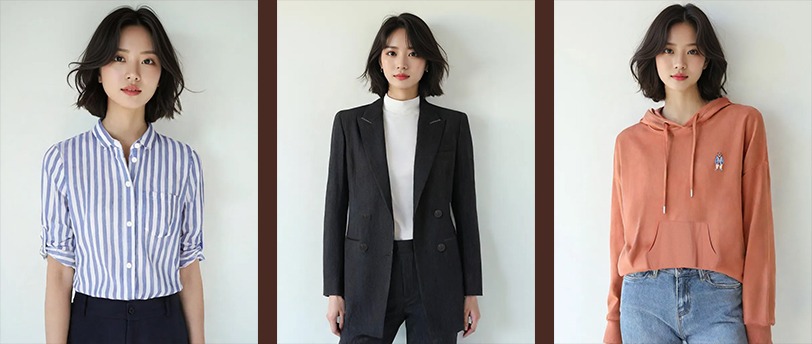
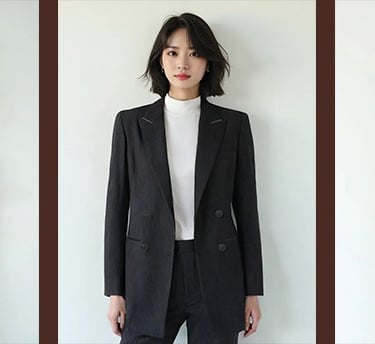
The e-commerce landscape is transforming at a dizzying pace, and at the heart of this change is artificial intelligence. AI is fundamentally reshaping how product images are created, edited, and published. It promises a future of speed, affordability, and unprecedented scale for visual content. But here’s the critical insight for any serious online brand: AI alone isn't a magic bullet. While it excels at generating bulk, achieving the pixel-perfect accuracy, brand consistency, and conversion-ready quality that customers demand requires a human touch. This is precisely why the AI + human retouching hybrid workflow is rapidly becoming the new, indispensable industry standard for forward-thinking e-commerce businesses. Let's break down why this powerful combination is the key to unlocking superior visual commerce.
Why AI-Generated Images Are a Game-Changer for E-Commerce
For online sellers, speed to market is everything. AI image generators are revolutionizing this process, allowing brands to move faster than ever before. Gone are the days of being entirely dependent on waiting for physical product samples or orchestrating complex and expensive photoshoots for every new item or campaign. With AI, brands can instantly generate a wide array of visuals, from crisp studio-style product shots to engaging lifestyle images that show the product in use. This includes creating model photos, seasonal promotional graphics, and countless background variations with just a few clicks. This capability transforms content creation from a major logistical hurdle into an almost instantaneous task, providing a significant competitive edge.
The benefits for e-commerce shop owners are substantial and tangible:
Faster Product Launches: You can create compelling marketing visuals long before your physical stock arrives in the warehouse, allowing you to build hype and start selling immediately.
Lower Photography Costs: Drastically reduce expenses associated with traditional photoshoots, including studio rentals, hiring models, purchasing props, and travel.
Unlimited Variations: Perfect for A/B testing different visual styles, creating targeted social media ads, or running localized campaigns with unique imagery.
High-Volume Output: Indispensable for large catalogs, enabling the creation of visuals for hundreds or even thousands of SKUs without a linear increase in cost or time.
Consistent Branding: By using AI templates and presets, you can maintain a strong, cohesive visual identity across your entire product range.
Where AI Falls Short (And Why Human Retouchers Are Still Essential)
Despite its power, AI is not infallible. In the high-stakes world of e-commerce, where a single visual misstep can cause a customer to abandon a cart, these shortcomings are not just minor glitches—they are conversion killers. This is where the irreplaceable value of professional photo retouching services comes into play, correcting the errors that AI consistently makes.
AI Struggles with Product Accuracy and Realism: AI often generates images with subtle but critical flaws that can make a product look cheap or untrustworthy. You might see warped shapes, incorrect or blurry textures, misplaced or unnatural shadows, distorted reflections, and fabric folds that simply don't look real. A human retoucher meticulously corrects these issues by hand, ensuring the product looks authentic and precisely as it exists in the real world, eliminating that tell-tale "AI-ish" feel.
Pixel-Perfect Color Correction is Non-Negotiable: AI can often guess at colors, but it cannot guarantee that the hue on screen will be a perfect match to the physical item in your inventory. This discrepancy is a primary driver of customer dissatisfaction. Only a human eye, supported by calibrated monitors, can perform precise color correction to ensure the product your customer receives is exactly the one they saw online. This meticulous attention to detail directly reduces returns, complaints, and damaging negative reviews.
Complex Editing Demands a Human Skill Set: For intricate products, AI's limitations become glaringly obvious. Tasks that require an understanding of form, structure, and artistry are still firmly in the human domain. This includes advanced techniques like jewelry retouching, high-end beauty editing, and the ghost mannequin effect for apparel, which requires seamlessly compositing a garment onto an invisible form to showcase its fit. Other essential services like creating multi-clipping paths for complex objects, detailed hair masking, and crafting realistic, natural-looking shadows from scratch are all hallmarks of pixel-perfect image editing that only an experienced human can provide.
Why the Hybrid Workflow (AI + Human Retouching) Works Best
So, what does this powerful synergy look like in practice? The concept is elegantly simple: AI acts as the powerful first draft, handling the heavy lifting of initial image generation and basic adjustments with incredible speed. Then, human experts step in as the quality assurance and enhancement team, applying their skill and judgment to make those images believable, brand-consistent, and truly conversion-ready. This hybrid model gives online sellers the best of both worlds, merging the efficiency of technology with the finesse of artistry.
This powerful combination delivers a complete suite of advantages:
Fast Turnaround: AI accelerates the initial creation, while human retouchers focus their expertise where it's needed most.
High-End Quality: The final output is polished and professional, free from the common artifacts of AI generation.
Lower Overall Cost: You save significantly on photoshoots while only paying for expert human labor on the intricate finishing touches.
Better Consistency: A unified team of retouchers can enforce brand standards across all AI-generated assets.
Stronger Brand Identity: Humans ensure every image tells your brand's story correctly.
More Customer Trust: Accurate, high-quality visuals build credibility and reduce purchase anxiety.
How This Hybrid Editing Directly Improves Sales and Brand Trust
Investing in this two-tiered approach isn't just about having pretty pictures; it's a direct investment in your bottom line and brand reputation. The return on investment is clear and measurable, impacting key metrics from customer satisfaction to overall revenue.
Superior Product Accuracy Drives Down Returns: When your images are meticulously refined by human experts to match the real product, customers feel confident in their purchase. This accuracy sets the right expectations, leading to a significant reduction in "item not as described" returns, which is a major cost center for e-commerce brands.
Clean, Consistent Visuals Boost Conversion Rates: A polished, professional storefront is inherently more trustworthy. High-quality, consistent imagery leads to longer page engagement times, higher add-to-cart rates, and better click-through performance on paid ads. Services like ghost mannequin for apparel brands are particularly crucial, as they allow customers to clearly see the cut and fit of clothing, a key factor in the purchasing decision.
Faster Content Creation Fuels Revenue Growth: The speed of AI, combined with the scalability of professional photo retouching services for e-commerce, means you can list and market more products faster. A larger, well-presented catalog directly translates into more opportunities for sales and increased revenue.
Expert Retouching Builds an Emotional Connection: While AI can generate a lifestyle image, a human retoucher perfects it. They ensure that the lighting, shadows, and composition feel natural and appealing, enhancing the story around your product. This emotional connection is what transforms a browser into a buyer, making them invest not just in an item, but in an aspiration.
Final Thoughts: The Future is a Collaboration
In conclusion, AI-generated image editing is a monumental shift that is undoubtedly here to stay, offering e-commerce brands a powerful tool for scale and agility. However, it is most powerful when viewed as a collaborator, not a replacement. For product photos that do more than just exist—photos that build unwavering trust, minimize costly returns, and actively boost conversions—the precision of human-led photo retouching services remains absolutely essential. By leveraging AI for its strengths in speed and volume, and relying on human experts for critical tasks like color correction, background removal, and applying the ghost mannequin effect through hand-drawn clipping paths, you create a workflow that is greater than the sum of its parts. This is the new gold standard for winning in the visual-driven world of e-commerce.
FAQs
1. Is AI editing better than manual editing?
AI is faster and more consistent, but manual editing still wins in artistic retouching.
2. Can AI create ghost mannequin effects?
Yes. AI tools can automate ghost mannequin editing for apparel brands.
3. Does AI handle bulk photo editing well?
Extremely well. It’s designed for high-volume production with consistent quality.
4. Are AI edits natural-looking?
With modern models, most edits look clean and realistic.
5. Is AI editing safe for sensitive images?
Yes, as long as you use a secure platform that follows data privacy standards.

FixThePhotoOnline
Professional photo editing & retouching services for everyone.
© 2025. All rights reserved.